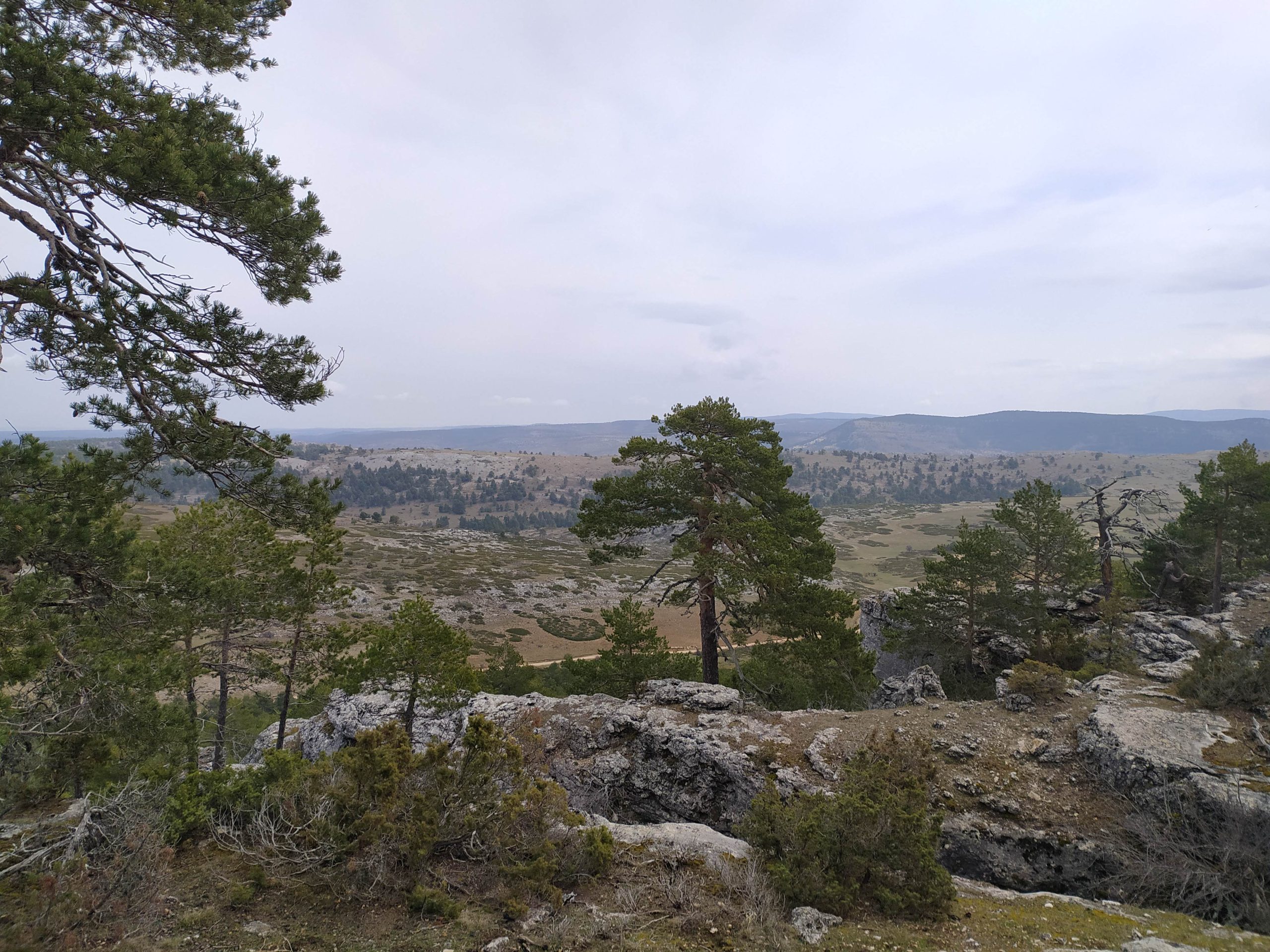
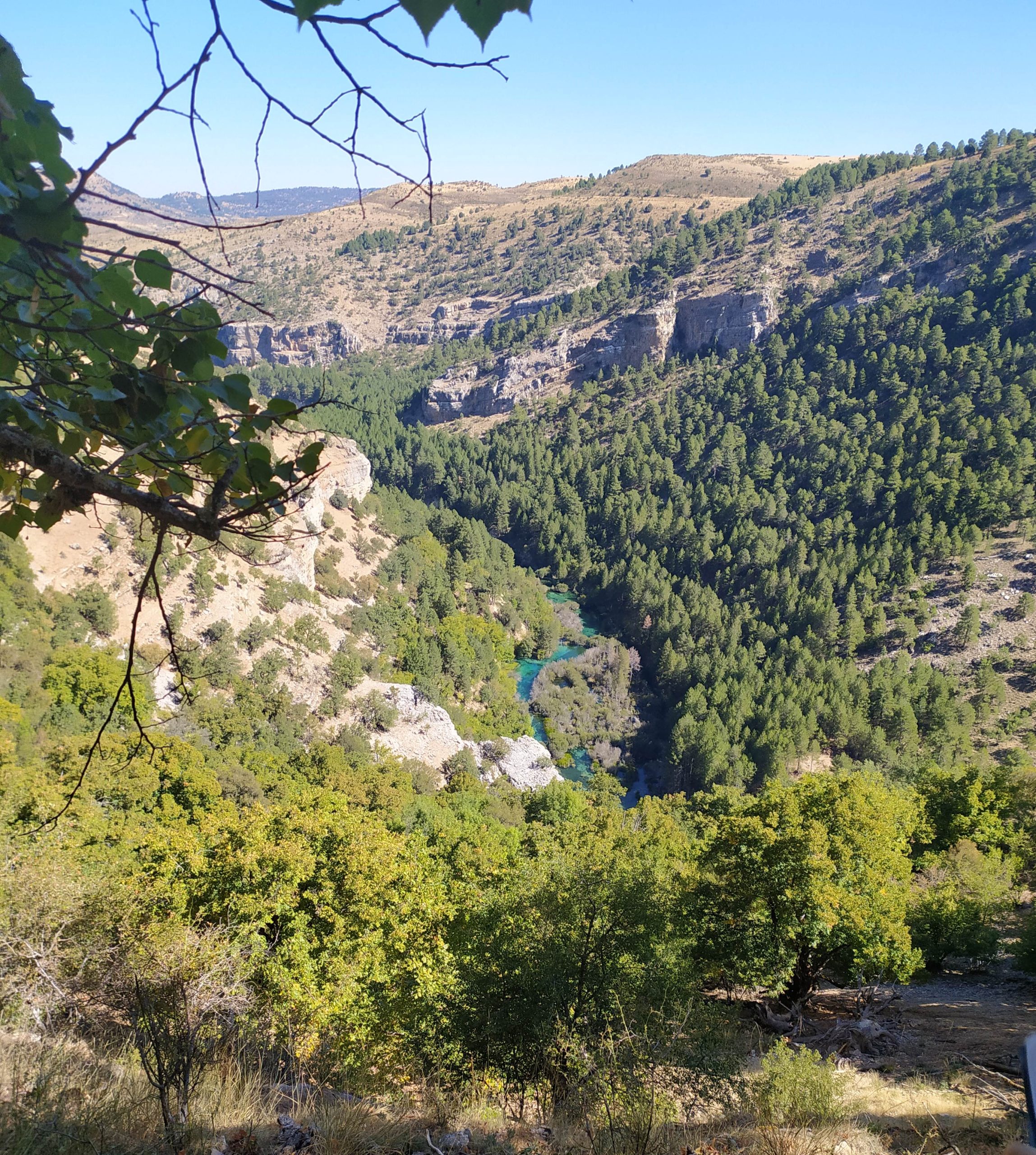
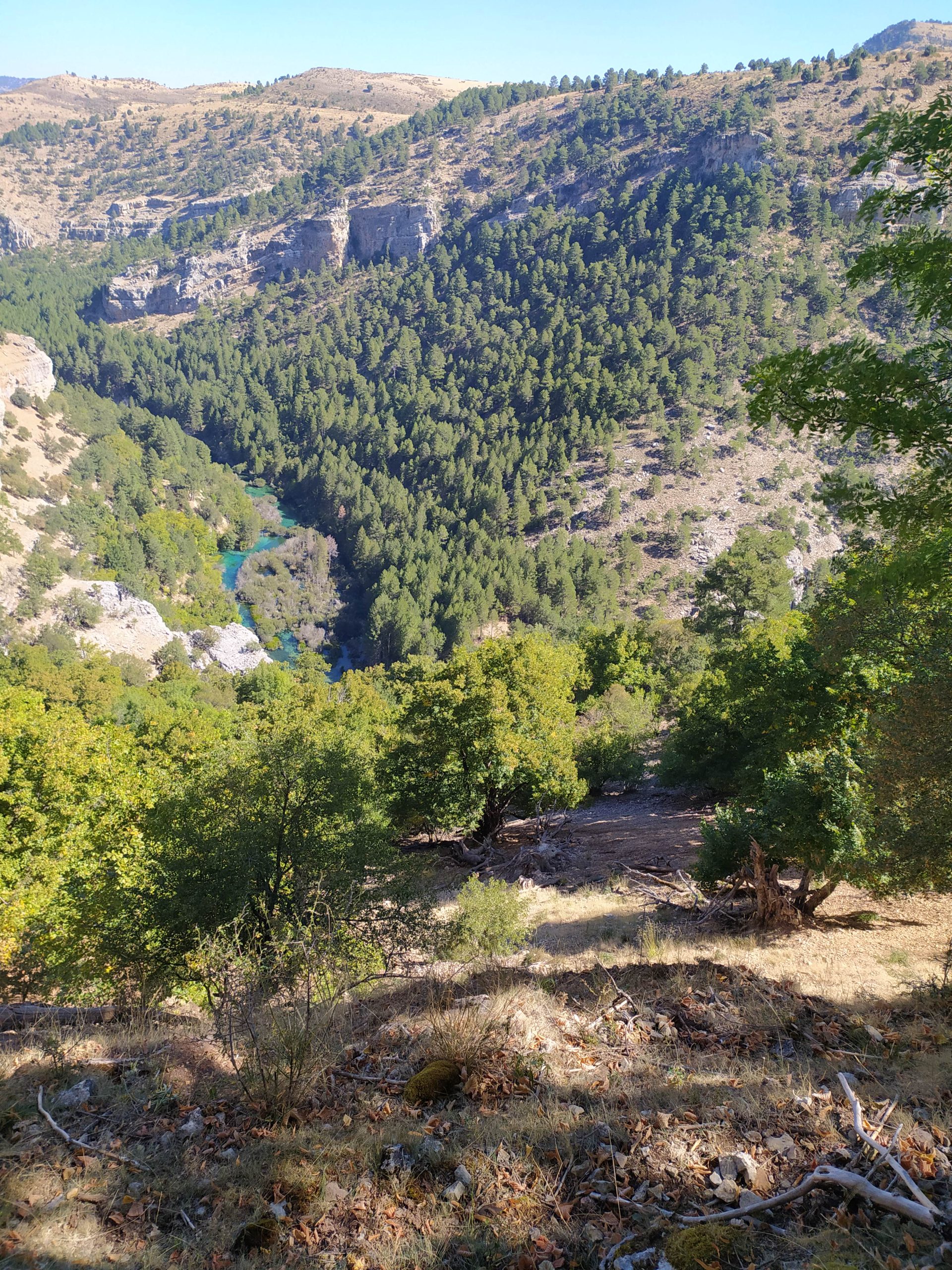
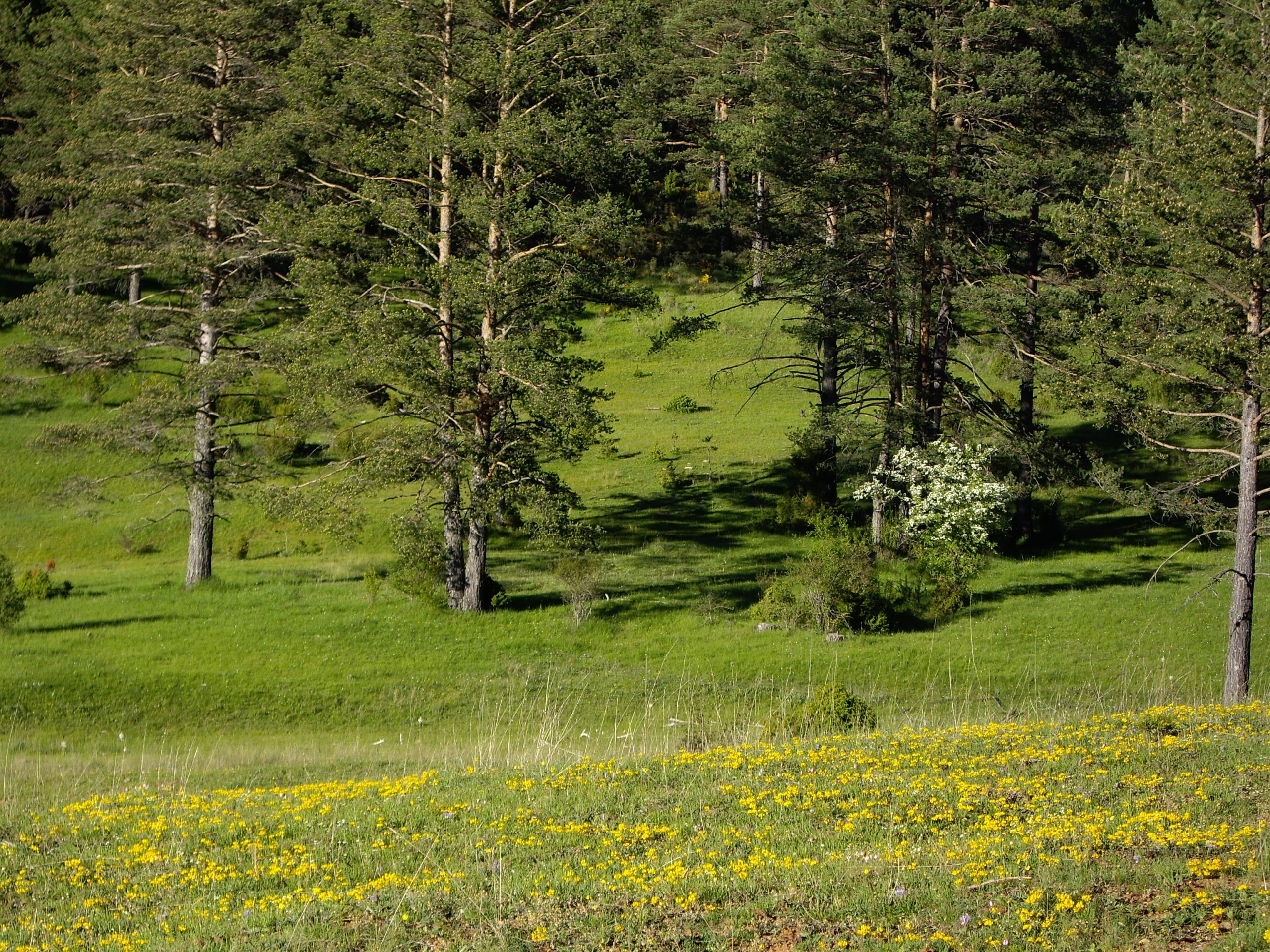
The Alto Tajo Natural Park extends mainly through the province of Guadalajara, also reaching two municipalities of Cuenca: the capital itself and Beteta. In its heart, on the left bank of the Tagus River, is the historic Dehesa de Belvalle, a natural site with centuries of tradition, especially in the livestock field. The first documented mention of Belvalle is found in the Book of the Montería of Alfonso XI, from the 14th century.
After the reconquest, Belvalle was ceded as a reward to knights of the kingdom of Castile, becoming part of the Señorío de Beteta, an extensive feudal domain under the administration of noble families such as the Albornoz. With an extension of about 3,000 hectares, Belvalle remained in the hands of this family, although its rights of use generated conflicts with neighboring communities. In 1549, Don Luis Carrillo de Albornoz, lord of Beteta, resolved these confrontations by means of an agreement that granted the inhabitants of the villages the right to graze in winter and to collect firewood in the pasture.
With the abolition of the lordships in the 19th century, the feudal link over Belvalle began to disappear, although ownership continued to be disputed. The descendants of the Marquisate of Ariza maintained its ownership in the 19th and 20th centuries, despite attempts by nearby villages to recover its communal use. Finally, in the 20th century, Belvalle passed into the hands of the Mancomunidad de la Encomienda de Belvalle, which assumed ownership of five of its seven quintos: Los Prados, Hoyo Redondo, Las Hoyas, El Machorro and Majaleche, leaving the rest in private hands.
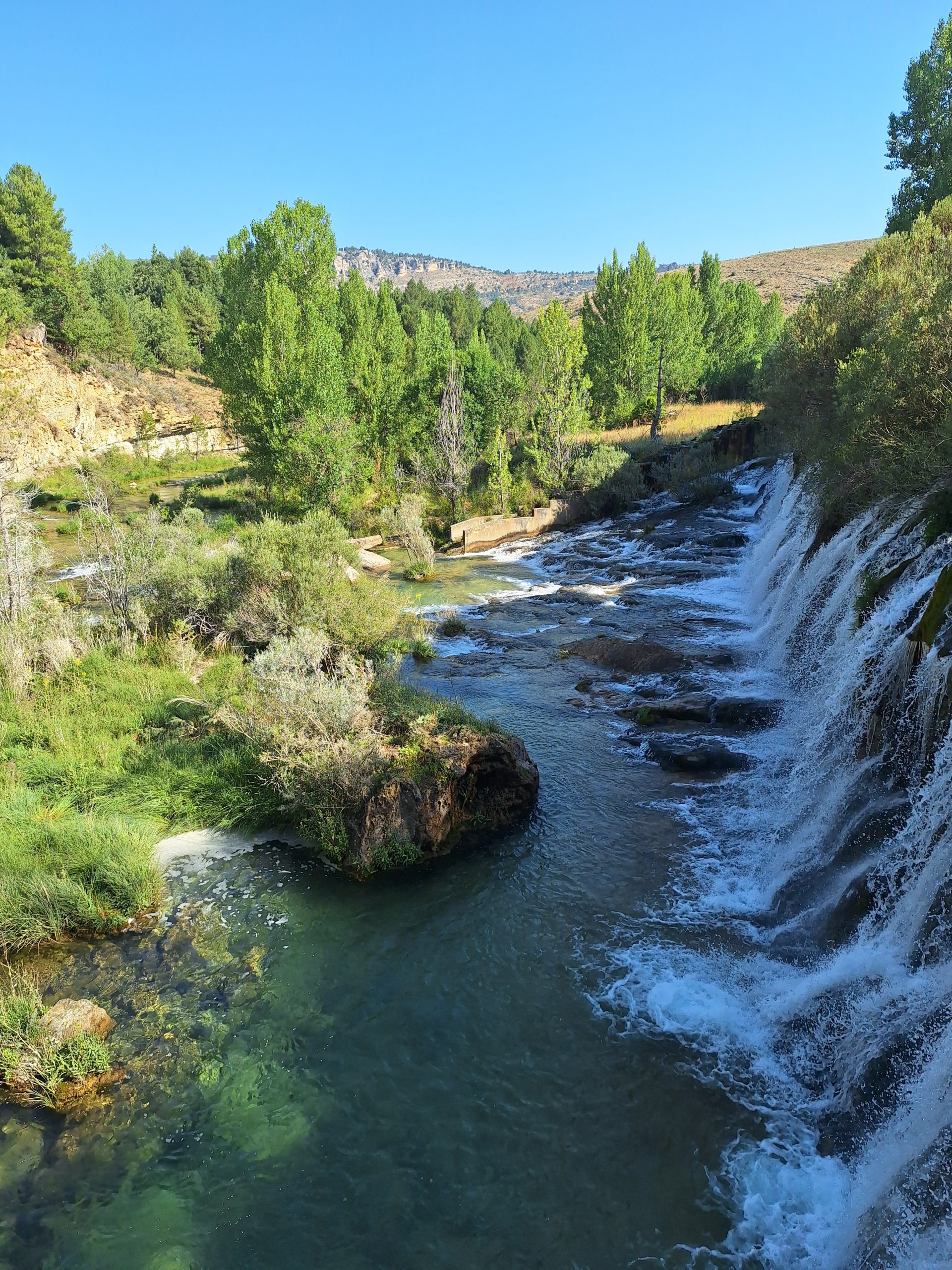
Today, Belvalle is a place of high historical and ecological value, attracting nature and history lovers. With the Tagus River and the waterfall of Salto del Molino as a backdrop, the landscape invites you to explore its oak and linden forests, and its livestock past due to the richness of its pastures.